
The Renters’ Rights Act: Part II
For years, the UK government has promised major reform to the private rented sector, including the end of Section 21 “no-fault” evictions and stronger protections for both renters and responsible landlords. The Act completed its passage in Parliament on the 22nd October 2025 and received Royal Assent on the 27th October 2025. As of November 2025, a number of the measures in the Act have not come into force. The government will publish a separate timeline outlining plans for implementation.
Below, we break down what a future Renters’ Rights Act is expected to include, how it could reshape renting in England and what landlords should be doing now to stay compliant and protected.

What Is the Renters’ Rights Act?
The term “Renters’ Rights Act” refers to the UK government’s proposed package of reforms designed to modernise the private rented sector. These reforms were originally included in the Renters (Reform) Bill, which aimed to:
Abolish Section 21
Strengthen possession grounds
Raise property standards
Increase transparency and accountability among landlords
Improve tenant security and fairness
Key measures expected in a future Renters’ Rights Act
The Renters’ Rights Act is expected to include the following major changes:

Abolition of Section 21 “No-Fault” evictions
Tenancies would become fully periodic (rolling), meaning:
Tenants can leave with two months’ notice.
Landlords must rely on updated Section 8 grounds.
This would give renters greater stability while keeping legitimate possession routes available.

Clearer and fairer eviction grounds
Landlords could still regain possession for:
Selling the property
Moving in (or a close family member moving in)
Tenant rent arrears
Antisocial behaviour
Property damage
Under the proposals:
Rent arrears threshold could rise from two to three months for mandatory eviction.
Notice periods for certain grounds would increase to four months.
A 12-month “protected period” would prevent landlords from seeking possession to sell or move in during the first year of a tenancy.
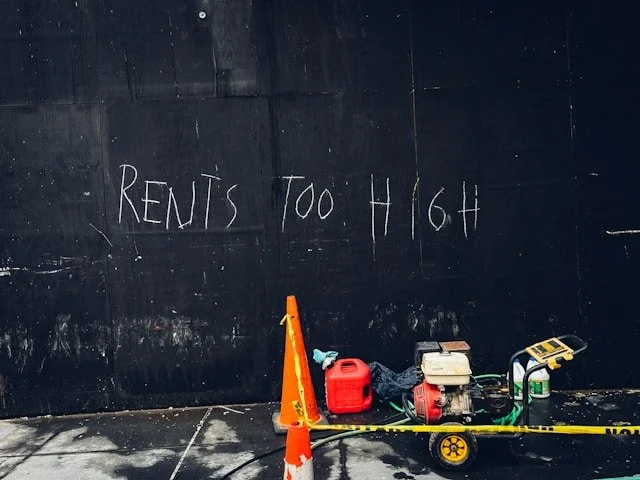
Fairer rent increases & protection against “backdoor evictions”
Landlords would still be able to raise rent once per year using a Section 13 notice.
However:
Tenants could challenge increases at the First-tier Tribunal.
The tribunal would decide what the true market rent is.
Artificial rent hikes used to force tenants out would be prevented.

A New private rented sector ombudsman
A national ombudsman would:
Provide free, impartial dispute resolution for tenants
Support landlords with guidance and quicker resolutions
Have the power to enforce compensation, apologies, or corrective action
All landlords would be legally required to join.

National landlord registration database
Landlords would need to register themselves and each rental property.
Benefits include:
Greater transparency for tenants
Better enforcement against criminal landlords
A single place for landlords to check legal requirements
Failing to register could result in penalties.

Stronger property standards (decent homes standard & Awaab’s Law)
Proposed reforms include:
Extending the Decent Homes Standard to private rentals
Introducing deadlines for fixing serious hazards like damp and mould under Awaab’s Law
This would ensure all renters live in safe, healthy homes.

Protection against rental discrimination
Landlords and agents would be banned from rejecting applicants simply because they:
Receive benefits
Have children
Referencing based on affordability would still be allowed.

Pets in rented homes
Landlords would need to consider pet requests reasonably.
They could request pet-related insurance, but could not issue blanket bans without justification.

Limits on rent in advance
A future Act is expected to restrict landlords from demanding excessive rent upfront, offering fairer access to housing for all applicants.
What this means for landlords
Landlords will face:
New compliance requirements
Tighter enforcement
Increased accountability
Changes to possession routes
Additional obligations around property condition and record-keeping
Stay protected and fully compliant with Infinitus Delta
Navigating upcoming rental reforms can feel overwhelming, but you don’t have to do it alone.
At Infinitus Delta, our Fully Managed Service keeps landlords ahead of every legal update.
With new legislation expected to reshape the sector, now is the time to ensure you’re supported by experts who understand the law and act in your best interests.
With our fully managed service, you get:
Full compliance with evolving rental legislation
Hands-off management, we handle tenants, maintenance and admin
Rent reviews and professional tenancy agreements
Regular property inspections to safeguard your asset
Clear, transparent communication at every step
We take care of everything, so you can enjoy stress-free, profitable letting, with confidence that your property is legally protected.
Talk to our Team today
Don’t wait for new laws to catch you off guard.
Speak to the Infinitus Delta team to secure your rental portfolio and stay compliant as the sector evolves.
✔ Protect your investment
✔ Keep your tenants happy
✔ Stay ahead of every regulatory change